Advan Research
Login icon LOGIN
Quarterly Results from Costco and Kroger: New (ish) CEOs, but no new strategies

Quarterly Results from Costco and Kroger: New (ish) CEOs, but no new strategies

Costco and Kroger both turned in strong results, in aggregate, relative to expectations. Obviously, Costco has faster growth given its deep value positioning and affluent customer mix. For the fiscal periods, Costco grew its US grocery business by roughly +$10B (annualized) vs. Kroger’s growth of $1.4B. Incoming Kroger CEO Greg Foran offered an early take on where he wants to take Kroger – move faster, systemize consistency in experience and enhanced product quality / freshness, and more price investment.
4 minutes
Grocery Outlets FQ4 and Outlook:  Painful growth

Grocery Outlets FQ4 and Outlook: Painful growth

Grocery Outlet reported another quarter of below plan sales, that along with a soft 2026 YTD trend and a review of new store performance (classes from ’22 – ’25) has lead management and the Board to conclude that the most favorable outcome is to close 36 locations (especially in Maryland and Pennsylvania), as well as to evaluate selling its recently acquired United Grocery Outlet chain. Overall comp-sales have been pressured by fewer items in the basket (UPT) as shoppers are not finding the WOW!
7 minutes
Target’s FQ4 Results:  Looking for more Tarjay

Target’s FQ4 Results: Looking for more Tarjay

As the re-Tarjay-fication of Target is just underway, top-line results for FQ4 were expected to be soft, and they were. The sales mix was also little changed. However, profit margins were favorable. The January trends improved despite the adverse weather at the end of the month. Shopping increased +2% for the month and visit frequency has stabilized. Both measures suggest early success with Target’s re-merchandising. Management noted that comps in Feb > Jan > Dec > Nov – just as observed traffic shows.
4 minutes
TJX’s FQ4 Results: TJX / Ross beneficiaries of the Neiman / Saks discombobulation?

TJX’s FQ4 Results: TJX / Ross beneficiaries of the Neiman / Saks discombobulation?

Marmaxx produced a strong +5% comp-sales increase and HomeGoods a stronger +6%. For Marmaxx (TJ Maxx and Marshalls), the commentary and comp composition suggest that its merchants were able to source something extra special in terms of “best” brands. This would be from Neiman / Saks’ high-end vendors that had to redirect orders elsewhere given Neiman / Saks’ inability to pay for them. We now suspect that this “extra special” sourcing or “boost of luxury” also drove FQ3 and Ross’ results.
4 minutes
Walmart’s FQ4 – A different business now (and a new sheriff)

Walmart’s FQ4 – A different business now (and a new sheriff)

Walmart again reported strong results for Walmart US and Sam’s Club, with the business model rapidly changing with fast delivery / upgraded merchandise offerings attracting more affluent households and that / retail evolution producing a large profit pool of alternative revenue streams (advertising, etc.) that allows Walmart to lean into EDLP, and drive more separation from incumbent retail. FQ4 contained a lot of external noise, hurricane comps, government shutdown, a more choiceful lower-end consumer, and yet, Walmart delivered +4.
7 minutes
T-Mobile’s Q4 Result:  Increased Competitive Intensity Narrowing TMUS’ Outperformance

T-Mobile’s Q4 Result: Increased Competitive Intensity Narrowing TMUS’ Outperformance

The wireless / cable industry’s competitive fervor is intensifying, for which the i-Phone 17’s high consumer appeal has been an agent; Apple is a large beneficiary of that fervor. The intensity has risen because: (1) increasing overall wireline-to-wireless convergence (lots of new fiber being laid down and traditional cable’s contraction is worsening), and (2) Verizon has a new CEO (or sheriff) that’s gunning for market share of net-adds. Observed visitation (Advan) market share trends have aligned with T-Mobile’s trends in postpaid phone net adds.
3 minutes
O’Reilly Automotive: A Smooth-Running Machine and Driving Up the East Coast

O’Reilly Automotive: A Smooth-Running Machine and Driving Up the East Coast

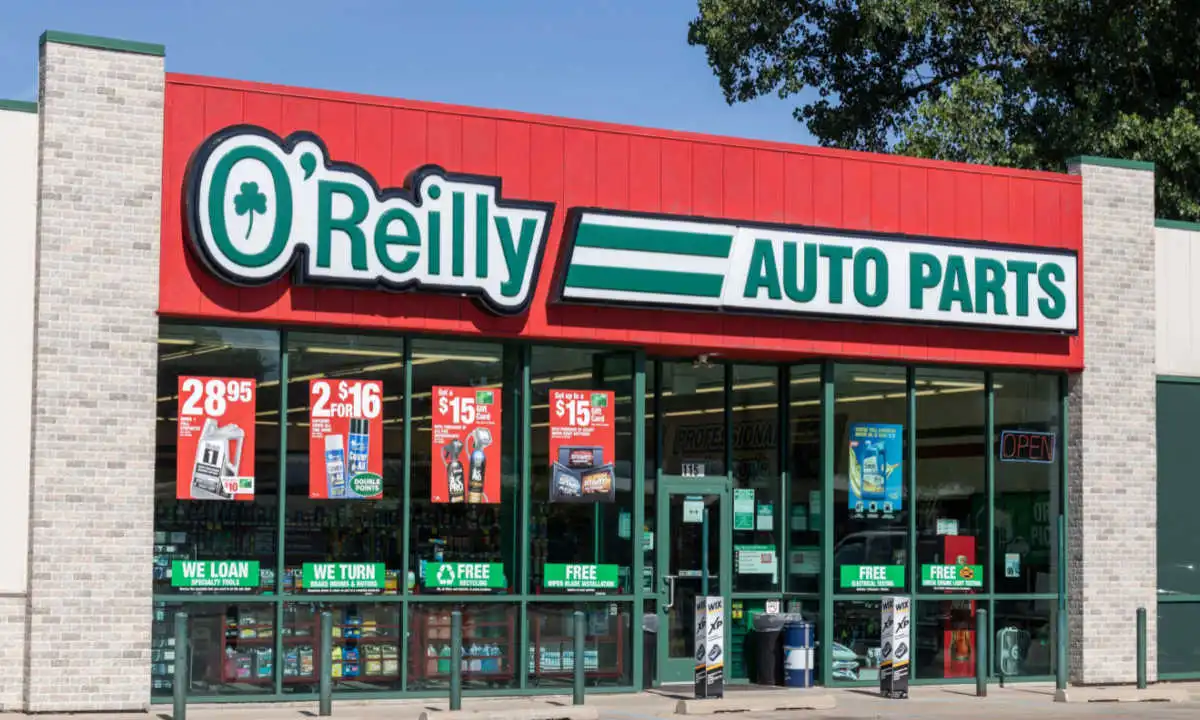
O’Reilly Auto reported sales trends largely consistent with Q3 trends. Its market share capture in Commercial was again very strong. The DIY side of the business is still soft, reflecting that consumer. That said, vehicles need to be repaired when they break down, and so the volume decline in DIY is reasonably benign. Competition appears rational, given O’Reilly’s strong gross margin performance and despite O’Reilly moving into new East Coast markets; they win durable market share by out-serving the competition.
5 minutes
Amazon's Q4: If you build it, will they come? Maybe if you deliver it

Amazon’s Q4: If you build it, will they come? Maybe if you deliver it

Amazon’s in-line results were marked by management signaling that the company was entering another large multi-faceted investment cycle and that the P&L efficiencies that the retail business has enjoyed over the past two years has come to a close. Amazon’s grocery business gained meaningful market share in 2025. Share gains will continue in 2026 and Amazon expects to open 100 new Whole Foods locations in the coming years. This added competitive intensity will further pressure conventional grocers and survival will be dependent on the incumbents delivering exceptional store locations, standards, and service levels, and differentiated on-target merchandise assortments.
6 minutes
Results from Tapestry and Ralph Lauren: The Booming American Luxury Renaissance

Results from Tapestry and Ralph Lauren: The Booming American Luxury Renaissance

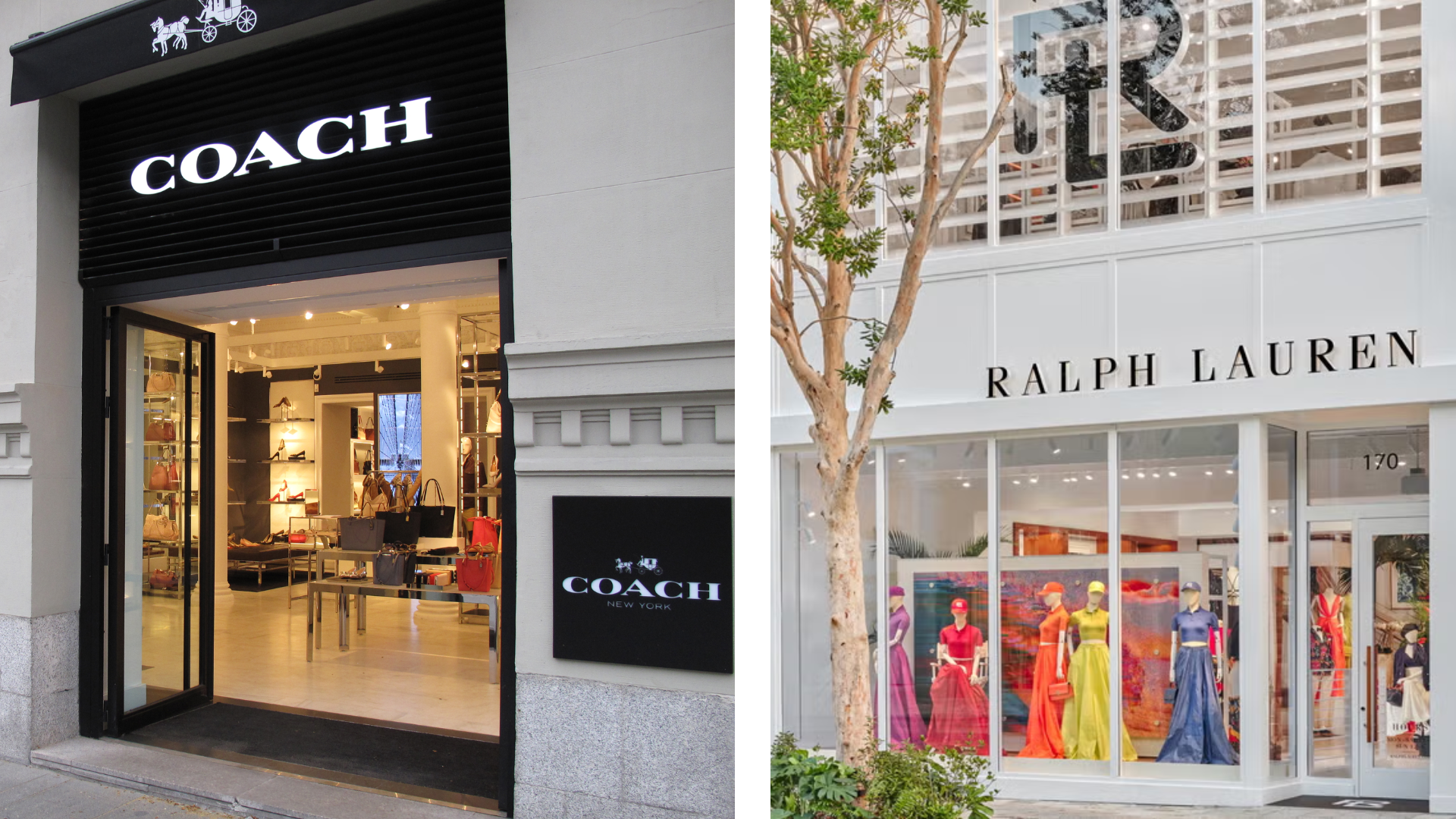
Coach (Tapestry) and Ralph Lauren had a very successful holiday quarter in both sales and profit growth. Their ongoing success stems from elevating their brand and using the proceeds to increase top-of-the-funnel marketing and presence in key influential (cer) cities such as Miami, Los Angeles, and New York. It’s a playbook that European luxury brands are also employing. As such, for the right trade areas, demand for real estate is hot and will remain so.
6 minutes
Chipotle’s Sales Deterioration – Increased GLP-1 adoption to blame? Seems so

Chipotle’s Sales Deterioration – Increased GLP-1 adoption to blame? Seems so

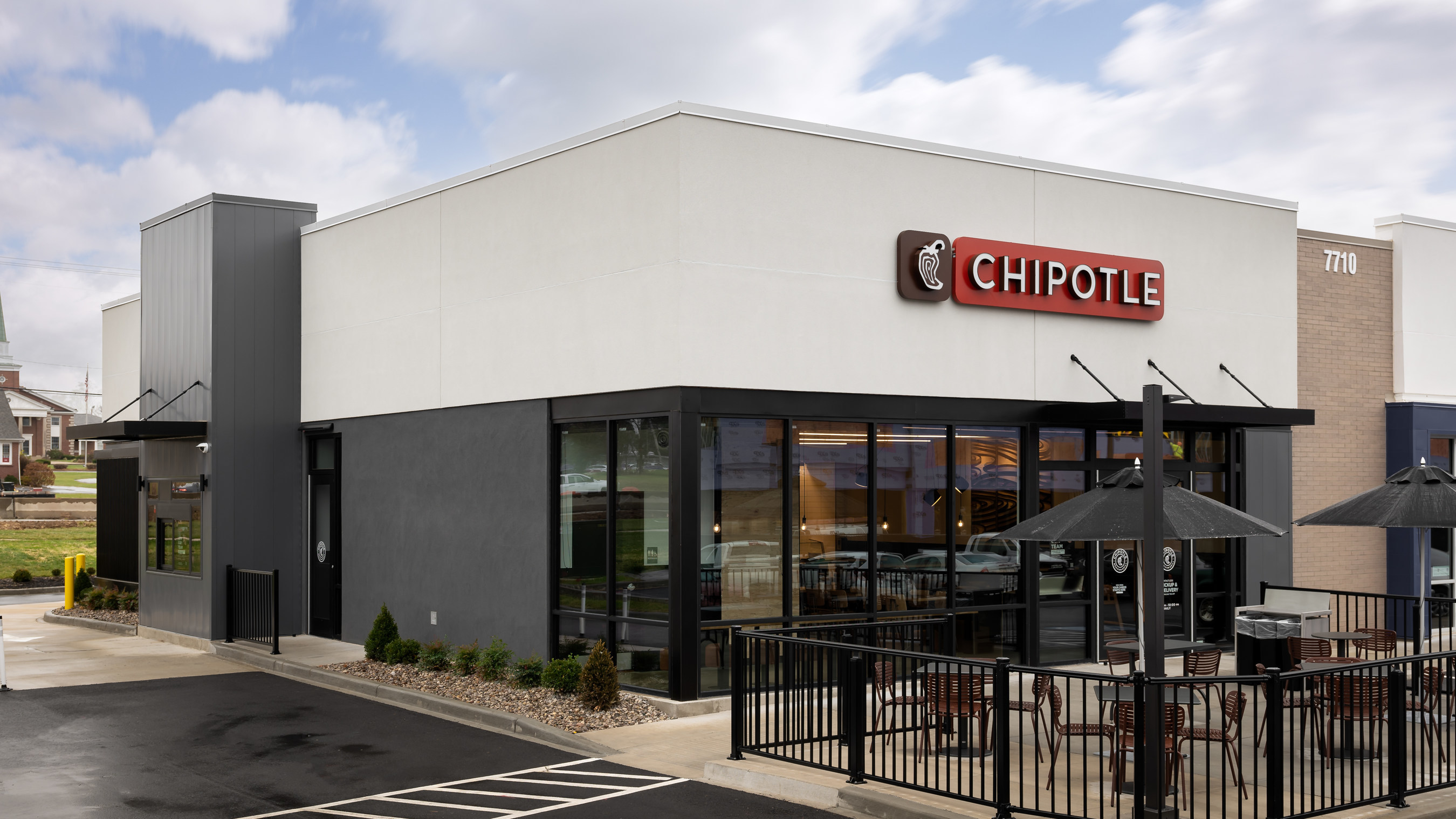
· Chipotle once again reported soft comp-store sales and guided for more of that in 2026. · While consumer aversion to Chipotle’s higher menu prices may be one factor for the deterioration in sales growth, Advan’s data and Chipotle’s actions (in terms of menu innovation) suggest that the rapid update of GLP-1 drugs by more affluent households (which Chipotle’s out-indexes in) looks to be the larger driver, i.e. changing consumer needs in how much and what they want to eat.
3 minutes